
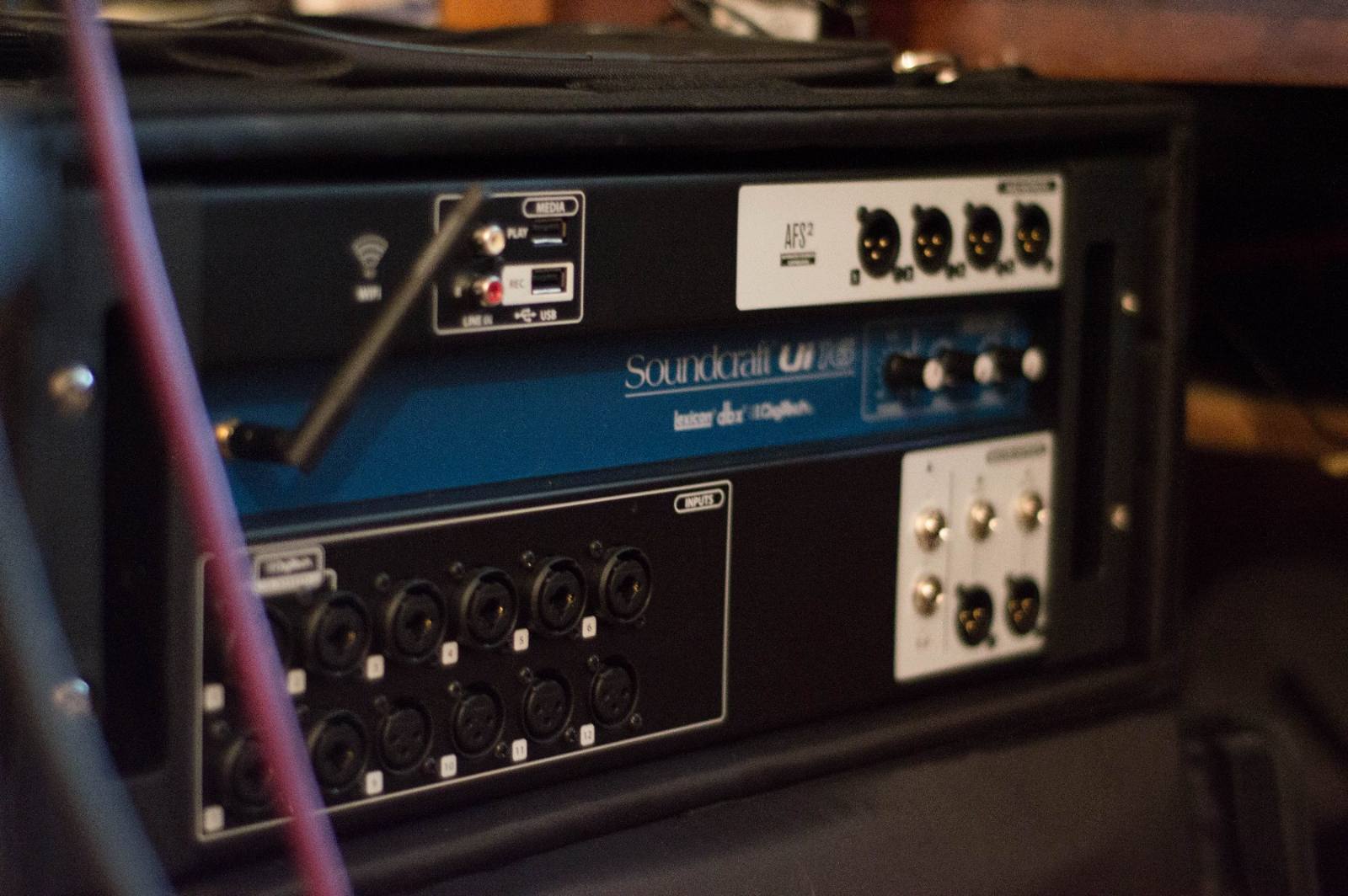
Mobile multitrack recording for live and location projects
Some performances need to be captured where they happen. Vigilante Studio can provide mobile multitrack recording for suitable gigs, live albums, rehearsals and location sessions, with up to 28 tracks available for the recording setup.
The project can continue into editing, stereo mixing and mastering once the performance has been captured.
Live recording without taking over the show
A live recording setup has to work alongside the venue and front-of-house engineer. The recording should capture the performance without creating unnecessary disruption on stage or changing the live mix for the audience.
Depending on the venue and technical setup, the multitrack feed can be taken from the stage system or front-of-house desk. Additional ambient microphones can capture the room and audience where that is part of the release.
The plan is agreed with the venue and live engineer before the date. Do not assume access to the desk, stage lines or power without confirmation.
Live albums and concert recordings
A live album is more than the desk feed. The performance, room, audience and sequence need to feel connected when the listener is no longer in the venue.
The project may include multitrack recording, editing, stereo mixing and mastering. Each stage is scoped separately so the release can be planned around the material actually captured.
If a Dolby Atmos version is being considered, discuss it before the recording date. The track layout and source organisation need to support the later immersive mix.
Rehearsal rooms and other locations
Mobile recording can also suit rehearsals, controlled location sessions and projects where moving the performers into a conventional studio would work against the performance.
The room still matters. Noise, acoustics, access, power, setup time and separation between instruments affect the recording. Rupert will ask about the space and the available equipment before confirming the job.
What to include in the enquiry
- Date
- Location
- Type of performance
- Number of performers
- Expected track count
- Venue contact
- Live engineer details
- Stage or desk information
- Final use of the recording
Provide the date, location, type of performance, number of performers, expected track count, venue contact, live engineer details, stage or desk information and the final use of the recording.
State whether the requirement is capture only or whether editing, mixing and mastering are also needed.
A site or technical conversation may be required before the booking is confirmed.
What happens after the recording
- Capture
- Transfer
- Optional mixing
- Optional mastering
The raw multitracks are checked and organised before any editing or mixing begins. The delivery route depends on the agreement made for the project.
For a finished release, the performance may need edits, balance changes, ambience control and mastering. These decisions should retain the energy of the live event rather than make the recording sound like an unrelated studio session.
Questions about mobile recording
How many tracks can you record?
The current mobile setup can record up to 28 tracks. The actual track plan depends on the performance, venue and available feeds.
Can you work with the venue’s live engineer?
Yes. The recording plan should be agreed with the live engineer and venue in advance so the capture works alongside the show.
Can you mix and master the live recording afterwards?
Yes. Recording, editing, stereo mixing and mastering can be scoped as one wider project or as separate stages.
Plan the capture before the date
Tell Rupert where the performance is happening, what needs to be recorded and what the finished project should become.